Landscape Maintenance Tips for Drought-Prone Areas


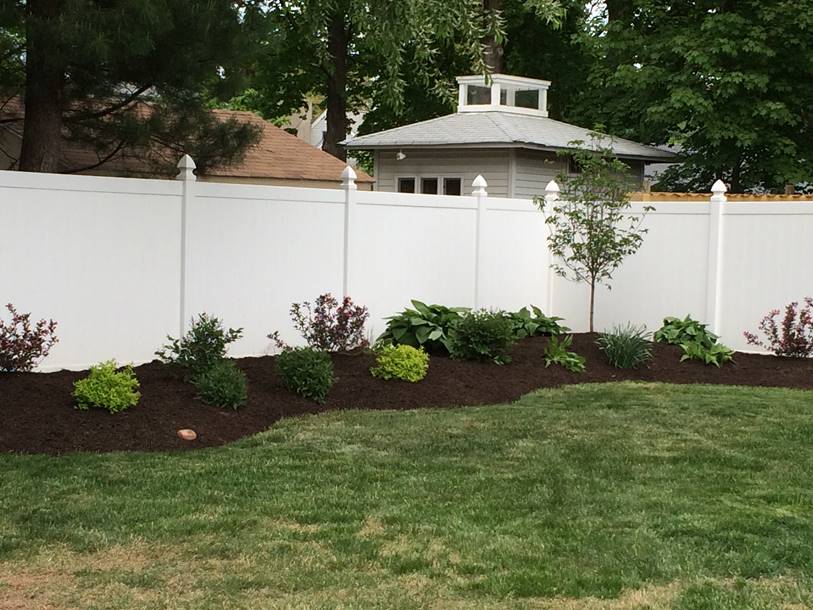
Dry years have a way of exposing every weak decision in a landscape. A thirsty lawn, poorly placed shrubs, compacted soil, and an irrigation system that made sense in a wetter decade all start to show their flaws at once. In drought-prone regions, landscape maintenance is not mainly about keeping things alive until the next rain. It is about building a site that can handle heat, wind, erratic rainfall, and water restrictions without looking abandoned or exhausted by midsummer.
That calls for a shift in mindset. A durable dry-climate landscape is not a stripped-down version of a traditional one. It has its own standards of beauty and its own maintenance rhythm. Healthy drought-tolerant plantings can be lush, layered, and inviting, but they need the right preparation and a more disciplined approach to watering, pruning, mulching, and seasonal timing.
The best results usually come from working with the site instead of fighting it. Slope, exposure, soil texture, reflected heat from pavement, local watering rules, and the age of the planting all matter. A front bed against a west-facing stucco wall can behave like a different climate from a shaded side yard thirty feet away. Good landscape maintenance takes those microclimates seriously.
Start with the soil, not the hose
When a landscape struggles in dry conditions, irrigation is often blamed first. In practice, the soil is just as important. If the ground cannot absorb water evenly, hold it long enough for roots to use it, and still drain well enough to avoid rot, no watering schedule will perform well for long.
In sandy soil, water tends to move through too quickly. In heavy clay, it may sit near the surface, run off, or create a hard crust that sheds the next irrigation cycle. Both conditions can produce stressed plants, even when the water bill suggests plenty has been applied. That is why one of the smartest maintenance habits is regular soil improvement in the root zone, especially for ornamental beds and recently planted trees.
Compost is usually the first tool I reach for, but not with a one-size-fits-all approach. In compacted urban soils, a modest annual topdressing can gradually improve structure, biological activity, and infiltration. In established native plant areas, less is often better. Some drought-adapted species actually perform poorly in overly rich amended soil because it encourages soft growth and weakens their natural tolerance. The goal is not to make every bed dark, fluffy, and uniformly fertile. The goal is to create a root environment appropriate for the plants that live there.
Mulch deserves equal attention. A two- to three-inch layer of organic mulch can lower soil temperature, reduce evaporation, and slow weed growth, all of which save water indirectly. Coarse arborist chips, shredded bark, and similar materials work well in most shrub and tree beds. Keep mulch pulled back a few inches from stems and trunks. Piling mulch against bark traps moisture where it should not be, invites rot, and can encourage rodents or insects.
Rock mulch has its place, especially in certain regional styles and around plants that need sharp drainage, but it is often overused. In full sun, stone can intensify surface heat and stress nearby roots, particularly around young plants. If a site already reflects heat from walls, paving, and nearby roads, adding a large field of decorative rock can push temperatures higher than many plants can comfortably handle.
Water deeply, less often, and with intent
The phrase "deep watering" gets repeated so often that it loses meaning. What matters is not the phrase itself but the root response. Shallow, frequent watering keeps moisture near the surface, where it evaporates quickly and trains roots to stay vulnerable. Deep, deliberate watering encourages roots to move downward, where temperatures are steadier and moisture lasts longer.
That principle changes slightly depending on what you are watering. A mature shade tree and a newly installed one do not have the same needs. Neither do a bed of established lavenders and a patch of warm-season turf. Landscape maintenance in dry climates works best when irrigation zones are matched to plant type, soil, and sun exposure. Shrubs with moderate water needs should not share a valve with desert succulents. Lawns should not be on the same schedule as trees. When everything is watered together, something is almost always overwatered and something else is under-watered.
Irrigation audits are one of the least glamorous and most valuable tasks on a property. Sprinkler heads drift out of alignment. Drip emitters clog. Pressure changes. A broken line can soak one area while starving another. I have seen homeowners replace plants three times in a bed that was simply receiving half the water they assumed it was getting. Ten minutes spent watching a full irrigation cycle often reveals more than a month of guesswork.
A practical watering rhythm depends on weather and soil, but several principles hold up across most drought-prone regions:
- Water early in the morning, when evaporation is lower and wind is usually calmer.
- Apply enough water to moisten the active root zone, then allow the upper soil to dry somewhat before the next cycle.
- Check moisture below the surface with a trowel or soil probe rather than judging by appearance alone.
- Adjust schedules seasonally, because spring and fall needs can be far lower than peak summer demand.
- Inspect irrigation hardware monthly during the dry season, especially emitters, valves, and spray patterns.
That last point saves more water than many people realize. A single misdirected spray head can waste hundreds of gallons over the course of a summer, particularly under municipal schedules that run several days a week.
Choose plants that can age well under stress
Plant selection is often discussed during installation, but it is just as relevant to long-term maintenance. Many landscapes in drought-prone areas are still populated with species chosen for quick impact rather than staying power. They may look impressive for the first few years, then decline once irrigation is reduced or heat intensifies.
The strongest dry-climate plant palettes usually combine three qualities. First, they fit the local climate, not just in theory but in the actual conditions of the site. Second, they are grouped by similar water needs. Third, they are given enough space to mature without constant shearing or rescue watering. That last point is often overlooked. A shrub forced into a too-small space is not only a pruning burden, it is also more prone to stress because repeated cutting stimulates tender regrowth.
Native and regionally adapted plants often excel, but they are not maintenance-free simply because they belong to the climate. A desert shrub planted in compacted fill soil beside a downspout can fail just as readily as an imported ornamental planted on a hot slope. The maintenance crew or homeowner still has to understand establishment periods, pruning windows, and the difference between normal summer slowdown and genuine decline.
There is also a common mistake with drought-tolerant species: overwatering them out of concern. Plants adapted to lean, dry conditions often suffer from excessive irrigation. Root rot, fungal issues, legginess, and shortened lifespan can result. A rosemary, manzanita, or desert spoon that looks weak is not always asking for more water. Sometimes it is asking for less.
Turf can survive, but it has to earn its space
Lawns are usually the first element people question in a drought-prone landscape, and rightly so. Turf offers cooling, play value, and visual continuity, but it also demands the most regular water and mowing on many properties. https://gunneryygi663.wordcanopy.com/posts/landscape-maintenance-tips-to-extend-the-life-of-your-plants That does not mean every lawn should disappear. It does mean each lawn should justify itself.
A small, functional turf area where children play or people gather can be easier to defend than a large ornamental lawn nobody uses. In many dry regions, reducing square footage brings more benefit than changing grass type alone. The water saved by eliminating narrow side strips, awkward medians, and isolated patches is often significant, especially because those areas tend to be irrigated inefficiently.
Where turf remains, maintenance needs to be sharper. Mowing height matters more than many people think. Cutting grass too short increases evaporation from the soil surface and weakens the plant’s ability to shade its own roots. Slightly higher mowing generally improves drought tolerance. So does aeration on compacted soils, where water and oxygen struggle to penetrate.
Fertilizer should be used carefully. Pushing rapid top growth during hot, dry periods tends to increase water demand and vulnerability. A moderate, seasonally appropriate feeding program works better than aggressive applications aimed at keeping the lawn unnaturally bright in midsummer. If a warm-season grass naturally slows or changes color under heat stress, that may be acceptable. Not every sign of seasonal adjustment is a failure.
Pruning should reduce stress, not create it
In dry landscapes, pruning is often where good intentions turn costly. Heavy summer pruning can stimulate tender growth at exactly the wrong time, when water is scarce and temperatures are punishing. It can also expose shaded bark to sudden sunscald, especially on shrubs and small trees that have grown dense canopies for protection.
The right pruning style depends on the plant. Some species respond well to selective thinning that preserves their natural form. Others tolerate renewal pruning from the base every few years. What rarely helps is constant shearing for tidiness. Shearing creates a shell of outer growth that blocks light from the interior, increases dead wood inside the plant, and drives a cycle of repeated trimming. It also raises water demand because the plant keeps replacing lost tissue.
Timing is equally important. Late winter or early spring is often the safest pruning window for many ornamental shrubs in drought-prone climates, though there are exceptions based on bloom habit and local weather. Dead, diseased, or broken wood can be removed whenever needed, but large structural cuts during extreme heat are best avoided unless safety is involved.
Trees deserve special caution. Drought-stressed trees may drop leaves, shorten new growth, or die back at the tips. That does not automatically mean they need aggressive thinning. In many cases, preserving as much functioning canopy as possible is better than reducing it. The leaves are the tree’s food factory. Remove too much during stress, and recovery slows.
Weeds tell you what the landscape is doing
A flush of weeds after a rare rainstorm or irrigation adjustment is not just a nuisance. It is feedback. Certain weed patterns point to overwatering, bare soil, disturbed ground, or failing mulch coverage. Paying attention to where weeds appear can help refine maintenance decisions.
For example, sedges and other moisture-loving weeds often signal excess water or poor drainage. Windblown annual weeds tend to explode in thin mulch or open soil after winter rains. Deep-rooted perennial weeds frequently take hold in neglected edges, gravel areas, or cracks where irrigation runoff collects. If crews or homeowners only pull weeds without asking why they returned there, the same battle repeats season after season.
The most water-efficient weed control is prevention through coverage. Dense planting, proper mulch depth, stable drip irrigation, and quick response before weeds go to seed all reduce long-term labor. Herbicides may still have a role in some properties, particularly for invasive species or hardscape edges, but they should support a broader strategy rather than replace one.
Hardscape and drainage affect plant health more than people expect
When discussing drought, people focus on shortage, but damage often comes from uneven distribution. A property may be dry overall and still have localized problems caused by runoff, pooling, or reflected heat. Hardscape design strongly influences all three.
Patios, walkways, driveways, retaining walls, and compacted paths redirect water and alter temperature. A bed beside a south-facing masonry wall might receive more radiant heat than a similar bed in open exposure. A slight depression at the base of a slope may hold enough runoff to drown a supposedly drought-tolerant plant. Maintenance crews who notice these recurring trouble spots can often solve them with small changes, such as redirecting emitters, adjusting grade, creating a shallow basin, or replacing a struggling plant with one better suited to the microclimate.
Permeable surfaces can help where appropriate, especially in areas that need to slow runoff and increase infiltration. Even simple measures, like breaking up compaction near planting beds or preventing sprinkler overspray onto pavement, make a difference. Water that lands on concrete is not helping the landscape.
Young plants and mature landscapes need different care
One of the most common maintenance mistakes in drought-prone landscapes is treating every planting as if it were already established. New trees, shrubs, and perennials need closer attention during their first one to three years, depending on size, season of planting, and local conditions. Their root systems are still limited, and they dry out faster than mature specimens.
That does not mean they need constant watering forever. It means their early care should be structured to encourage establishment, then tapered. Deep watering basins, careful mulch placement, and regular inspection during heat waves are especially important in this phase. Planting in the cooler parts of the year, where climate allows, usually gives better results than installing in late spring and trying to outrun summer stress.
Mature landscapes, by contrast, often need less frequent irrigation but more observation. As roots expand, irrigation patterns that worked in year one may no longer match the root spread in year five. Trees may need water applied farther from the trunk. Shrubs may begin to overlap, changing airflow and shade patterns. Emitters that once sat perfectly near a root ball may become poorly placed as the plant matures. Good landscape maintenance evolves with the planting.
Seasonal discipline separates stable landscapes from struggling ones
Dry-climate maintenance is easier when tasks are timed well. Spring is often the moment for irrigation checks, light shaping, mulch refresh, and weed control before temperatures climb. Early summer is when monitoring becomes more precise. Plants start revealing whether winter rainfall was enough, whether irrigation zones are balanced, and which areas heat up first.
By midsummer, restraint matters. This is usually not the time for major renovation, heavy fertilization, or broad pruning. It is the time for targeted corrections, deeper observation, and preserving plant energy. In late summer and early fall, many drought-prone regions still require vigilance because heat can linger long after people expect relief.
Winter, where freezes are mild or moderate, often offers the best window for structural work. Trees can be assessed more clearly, irrigation systems can be repaired with less urgency, and new planting plans can be set up before the next dry season. Landscapes that look effortless in August are usually the product of good winter decisions.
Signs a plant is stressed, and what they usually mean
Not every wilt means drought, and not every yellow leaf means overwatering. Correct diagnosis saves water and plants alike.
- Wilting in the afternoon that disappears by morning can be a temporary heat response, not necessarily a signal to irrigate immediately.
- Crispy leaf edges and scorched margins often point to heat, salt buildup, wind exposure, or inconsistent watering rather than simple underwatering alone.
- Yellowing leaves with soft stems and poor vigor frequently suggest excess moisture or root trouble.
- Sparse interior growth can result from chronic shearing, overcrowding, or lack of light, not just drought stress.
- Sudden branch dieback on one side of a plant may indicate irrigation failure, root damage, or reflected heat from a nearby surface.
The best response is to inspect before reacting. Check the soil several inches down. Look at emitter function. Note recent weather. Consider whether the plant’s condition is widespread across the property or limited to one location. Experienced maintenance is often less about doing more and more about pausing long enough to read the site accurately.
A dry landscape should still feel alive
There is a persistent misconception that drought-conscious landscapes must look sparse, gravel-heavy, and severe. Some do, by design, but they do not have to. Layering is still possible. So is seasonal color, fragrance, habitat value, and shade. The difference is that every element has to be chosen and maintained with greater discipline.
A successful drought-prone landscape usually has a clear backbone. Trees and major shrubs provide structure. Lower water plants are massed with intention, not scattered randomly. Mulch unifies exposed soil. Irrigation is tuned rather than assumed. Maintenance crews know which plants can be cut hard, which should be left alone, and which areas fail first during heat waves. That kind of landscape often looks better in a hard summer than a conventional one because it was designed for the conditions it actually faces.
Good landscape maintenance in dry regions is not about denying the climate. It is about respecting it closely enough to make smart, durable choices. When the soil is healthy, the irrigation makes sense, the plant palette fits the site, and maintenance timing is disciplined, a landscape can remain resilient through long dry stretches. It may not look like a garden from a cool, rainy region, and it should not try to. Its beauty comes from balance, restraint, and the confidence to work with water as the limited resource it is.
Majestic Mowing & Landscaping LLC
Phone number: +19733975532
FAQ About Landscape Maintenance
What is landscape maintenance?
Landscape maintenance is the ongoing care, cleaning, and upkeep of outdoor green spaces to keep them healthy, safe, and attractive.
Is $100 an hour too much for landscape work?
An hourly rate of $100 is not too much for specialized or professional landscape work, though it sits at the higher end of the standard pricing spectrum.
How much do landscapers charge for maintenance?
For professional landscaping maintenance, homeowners typically pay $100 to $410 per month for recurring services, or an hourly labor rate of $50 to $100 per hour per crew member.